Revitalizing Cities: The Importance of Creating Pedestrian-Friendly Environments
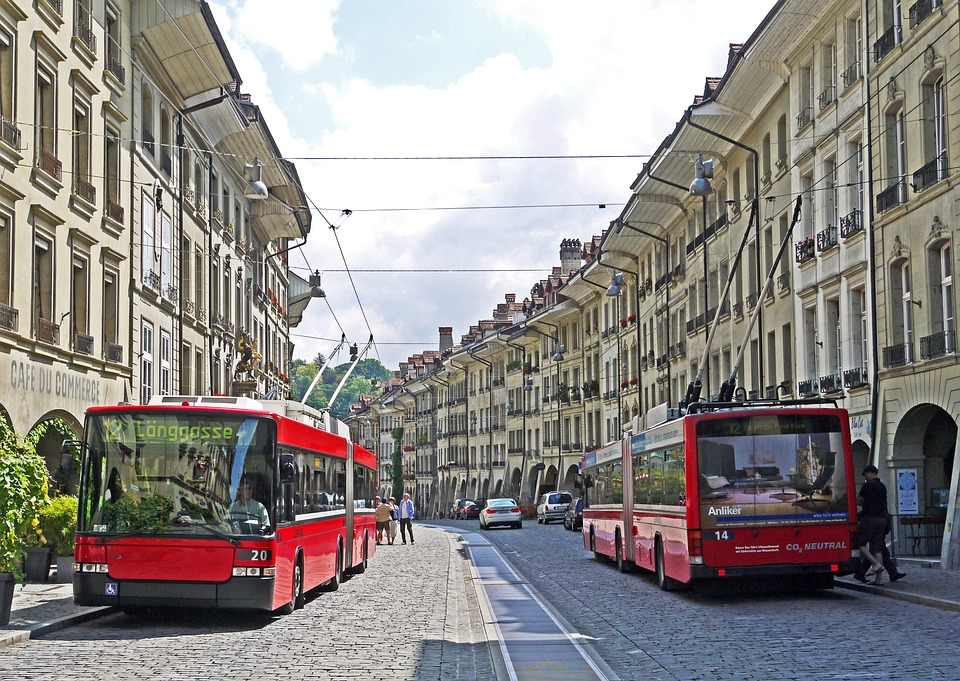
Introduction:
Imagine strolling down a vibrant city street, surrounded by bustling shops, inviting cafes, and beautiful green spaces. The sounds of laughter, music, and conversation fill the air as people walk, bike, and interact with their surroundings. This is the essence of a pedestrian-friendly environment, where city life thrives and where communities come alive.
In this blog post, we will explore the significance of creating pedestrian-friendly environments for cities. We will delve into the benefits that such environments bring to both residents and visitors, and discuss the various elements that contribute to their success. By the time you finish reading, you will grasp the groundbreaking potential of pedestrian-friendly cities and appreciate why they are key in revitalizing urban spaces.
Table of Contents
- Section 1: Economic Prosperity
- Section 2: Health and Well-Being
- Section 3: Social Interaction and Community Building
- Section 4: Environmental Sustainability
- Section 5: Design and Infrastructure
- Section 6: Safety and Security
- Section 7: Accessibility
- Section 8: Cultural Identity
- Section 9: Recreation and Leisure
- Section 10: Transportation
- Section 11: Government and Policy
- Section 12: Case Studies
- Section 13: Challenges and Solutions
- Section 14: FAQs
- Section 15: Conclusion
Section 1: Economic Prosperity
The economic benefits of creating pedestrian-friendly environments are vast. When cities prioritize walkability, they create opportunities for local businesses to thrive. Pedestrians are more likely to make impulsive purchases, discover new places, and spend more time and money in areas that are designed with their needs in mind.
Imagine vibrant street markets, outdoor cafes, and boutique shops lining pedestrian-friendly streets. These environments attract both residents and tourists, leading to increased foot traffic and economic growth. Pedestrian-friendly cities are known to have higher property values, lower vacancy rates, and stronger local economies.
Section 2: Health and Well-Being
A pedestrian-friendly environment encourages physical activity and promotes better health. In cities where walking and cycling are encouraged, residents are more likely to engage in regular exercise, leading to reduced rates of obesity and related health problems.
Additionally, pedestrian-friendly environments contribute to cleaner air quality by reducing the number of cars on the road. Improved air quality translates into better respiratory health for residents, resulting in a healthier population overall.
Section 3: Social Interaction and Community Building
A key aspect of creating pedestrian-friendly environments is the emphasis on social interaction and community building. When people have the opportunity to walk, chat, and meet others in their neighborhood, a sense of belonging and camaraderie is fostered.
Pedestrian-friendly streets provide spaces for community events, outdoor markets, and public gatherings. These shared spaces act as focal points for socializing, allowing residents to connect and form meaningful relationships. The resulting social fabric strengthens neighborhoods and enhances overall quality of life.
Section 4: Environmental Sustainability
Pedestrian-friendly environments play a crucial role in promoting environmental sustainability. By prioritizing walking and cycling over car usage, cities can reduce carbon emissions and mitigate the effects of climate change.
Green spaces and trees along pedestrian-friendly streets also provide shade, reduce the urban heat island effect, and improve air quality. These initiatives contribute to a more sustainable and eco-friendly city.
Section 5: Design and Infrastructure
The design and infrastructure of a pedestrian-friendly city are integral to its success. Wide sidewalks, dedicated bike lanes, accessible crossings, and well-maintained public spaces are all factors that enhance the walking experience.
Urban planners and architects play a crucial role in ensuring that cities are designed with pedestrians in mind. Incorporating timeless design principles, creating visually interesting spaces, and paying attention to human scale are all vital components of pedestrian-friendly city planning.
Section 6: Safety and Security
Creating a safe and secure environment for pedestrians is paramount. Cities should prioritize well-lit streets, clear signage, and traffic calming measures to ensure the safety of pedestrians.
Moreover, pedestrian-friendly environments are known to reduce crime rates. Increased foot traffic and community engagement create a sense of natural surveillance, deterring potential criminal activities. By prioritizing pedestrians, cities create safer spaces for all residents.
Section 7: Accessibility
Pedestrian-friendly environments promote accessibility for all individuals, regardless of their physical abilities. Cities should strive to provide barrier-free sidewalks, curb cuts, and ramps to ensure that everyone can navigate and enjoy their surroundings.
Moreover, accessible pedestrian infrastructure benefits not only those with mobility challenges but also families with strollers, seniors, and individuals with temporary disabilities. Creating environments that are inclusive and accessible benefits the entire community.
Section 8: Cultural Identity
Pedestrian-friendly environments contribute to cultivating a city's unique cultural identity. By prioritizing foot traffic, cities allow for the exploration of local shops, restaurants, and cultural landmarks.
Preserving and promoting the distinct characteristics of a city's neighborhoods and districts fosters pride within the community. From street art to historical buildings, a vibrant pedestrian-friendly city celebrates its cultural heritage and encourages residents and visitors to connect with their surroundings.
Section 9: Recreation and Leisure
Pedestrian-friendly environments provide opportunities for recreation and leisure. Parks, green spaces, and pedestrian-only zones offer residents and visitors places to relax, exercise, and engage in outdoor activities.
Walking is not only a means of transportation but also a recreational activity that promotes mental well-being. By providing safe and enjoyable spaces for walking, cities enable individuals to explore their surroundings and embrace a more active and balanced lifestyle.
Section 10: Transportation
A pedestrian-friendly environment goes hand in hand with efficient and sustainable transportation systems. By integrating walking, cycling, and public transport, cities can reduce reliance on private cars and alleviate traffic congestion.
Investing in well-connected public transport networks, bike-sharing programs, and pedestrian-focused infrastructure ensures that individuals have viable alternatives to car travel. This multi-modal approach to transportation creates a more efficient and accessible city for everyone.
Section 11: Government and Policy
The role of government and policy in creating pedestrian-friendly environments is vital. Municipalities must prioritize walkability in urban planning and enforce regulations that support pedestrian-friendly infrastructure.
By implementing policies such as street design standards, zoning regulations, and community engagement initiatives, governments can create an environment that encourages pedestrian activity and enhances the overall urban experience.
Section 12: Case Studies
Let's dive into some inspiring case studies that demonstrate the transformative power of pedestrian-friendly environments:
- Curitiba, Brazil: A pioneer in sustainable urban planning, Curitiba transformed its downtown area into car-free zones, prioritizing pedestrians and public transport.
- Copenhagen, Denmark: With an extensive cycling infrastructure, Copenhagen has become a global model for pedestrian and bicycle-friendly cities.
- Barcelona, Spain: By implementing the "Superblocks" concept, Barcelona reclaimed public space from cars and created pedestrian-friendly neighborhoods.
- New York City, USA: The implementation of pedestrian plazas and protected bike lanes has transformed the streetscape of New York City, making it more inviting for pedestrians.
Section 13: Challenges and Solutions
Creating pedestrian-friendly environments is not without its challenges. Let's explore some common obstacles and innovative solutions:
- Limited Space: In dense urban areas, space constraints can make it challenging to integrate pedestrian-friendly infrastructure. Creative solutions, such as pedestrianizing certain streets or implementing shared spaces, can help maximize available space.
- Resistance to Change: Some communities may initially resist pedestrian-friendly initiatives. Effective public outreach and engagement, coupled with showcasing the benefits through pilot projects, can help overcome resistance and build community support.
- Accessibility Challenges: Ensuring accessibility for individuals with disabilities requires careful planning and design. Collaboration with disability advocacy groups and adherence to accessibility guidelines can help address these challenges.
Section 14: FAQs
Q: What is the role of public art in pedestrian-friendly environments?
A: Public art plays a significant role in enhancing the aesthetics and cultural appeal of pedestrian-friendly environments. It adds vibrancy, fosters a sense of place, and provides visual landmarks for navigation.
Q: How can pedestrian-friendly environments impact local businesses?
A: Pedestrian-friendly environments have a positive impact on local businesses by increasing foot traffic and attracting new customers. People are more likely to explore and spend time in areas that prioritize pedestrians, leading to increased sales and economic growth.
Q: What can individuals do to promote pedestrian-friendly environments in their communities?
A: Individuals can advocate for pedestrian-friendly infrastructure, participate in community engagement initiatives, and support local businesses that prioritize pedestrians. By being active and engaged community members, individuals can contribute to the creation of vibrant and livable cities.
Section 15: Conclusion
Revitalizing cities through the creation of pedestrian-friendly environments is essential for future urban development. The advantages of prioritizing pedestrians extend beyond economic prosperity and include improvements in health and well-being, social interaction, environmental sustainability, and cultural identity.
By embracing urban planning and infrastructure that caters to all individuals, cities can create spaces that are inclusive, vibrant, and sustainable. Pedestrian-friendly cities enhance the overall quality of life for residents while attracting visitors and fostering a sense of community and belonging.
So, let's reimagine our cities as bustling hubs where pedestrians take center stage, revitalizing urban spaces, and shaping a brighter future for all.
Show Original: https://librareview.com/revitalizing-cities-the-importance-of-creating-pedestrian-friendly-environments/


Comments
Post a Comment