Methods to Plant and Develop Goldenseal
You can view the original post here
Hydrastis canadensis
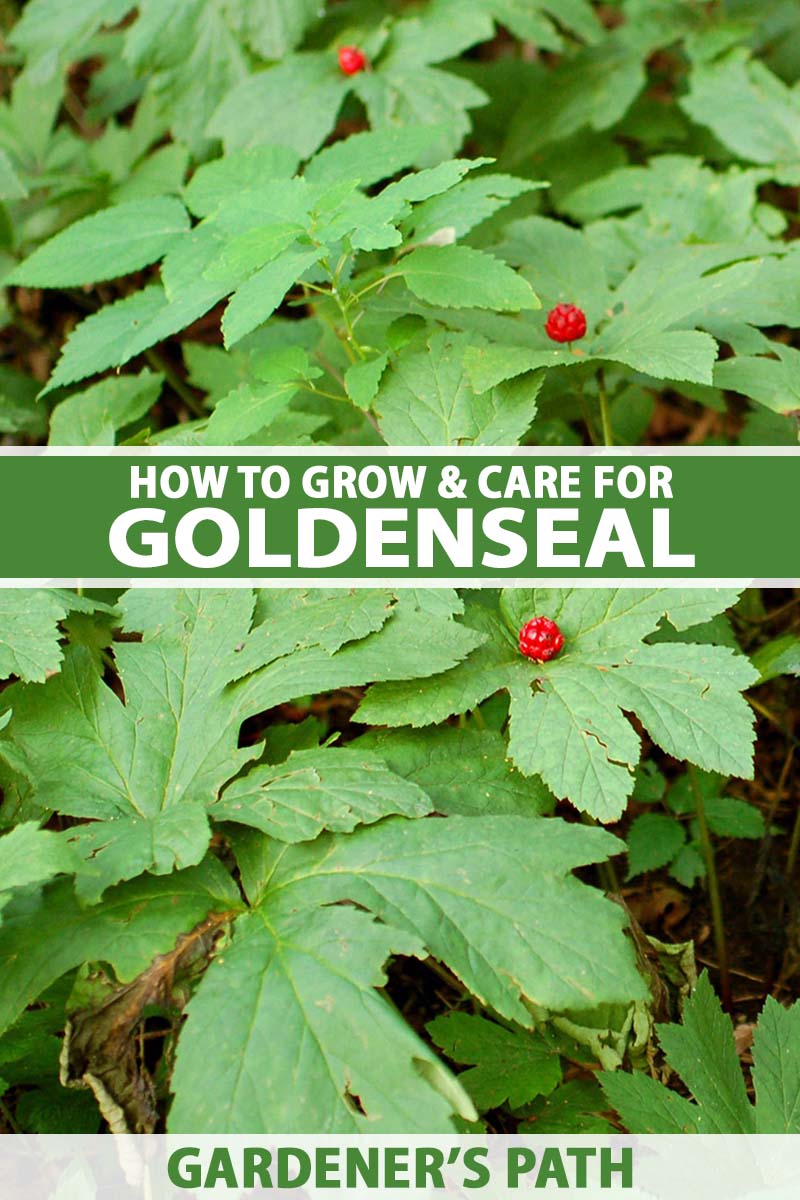
Goldenseal, Hydrastis canadensis, is a prized medicinal plant native to North American woodlands.
As a result of this perennial has been among the many prime best-selling botanical dietary supplements within the US for a few years, creating excessive market demand, it's now liable to extinction within the wild.
Nevertheless, this offers growers the chance to guard a extremely susceptible species by means of cultivation. Rising goldenseal will definitely make you a medicinal plant conservation steward!
We hyperlink to distributors that will help you discover related merchandise. Should you purchase from considered one of our hyperlinks, we might earn a fee.
Along with this perennial herb having revered therapeutic attributes, it’s additionally a captivating addition to gardens the place it may possibly develop right into a swish floor cowl that’s deer-resistant.
On this information, we’ll cowl every thing you should turn out to be impressed and ready to welcome this enchanting woodland species into your backyard or panorama.
Right here’s what’s forward:
Cultivation and Historical past
Hydrastis canadensis is a slow-growing and long-lived herbaceous perennial member of the Ranunculaceae household that emerges in early spring.
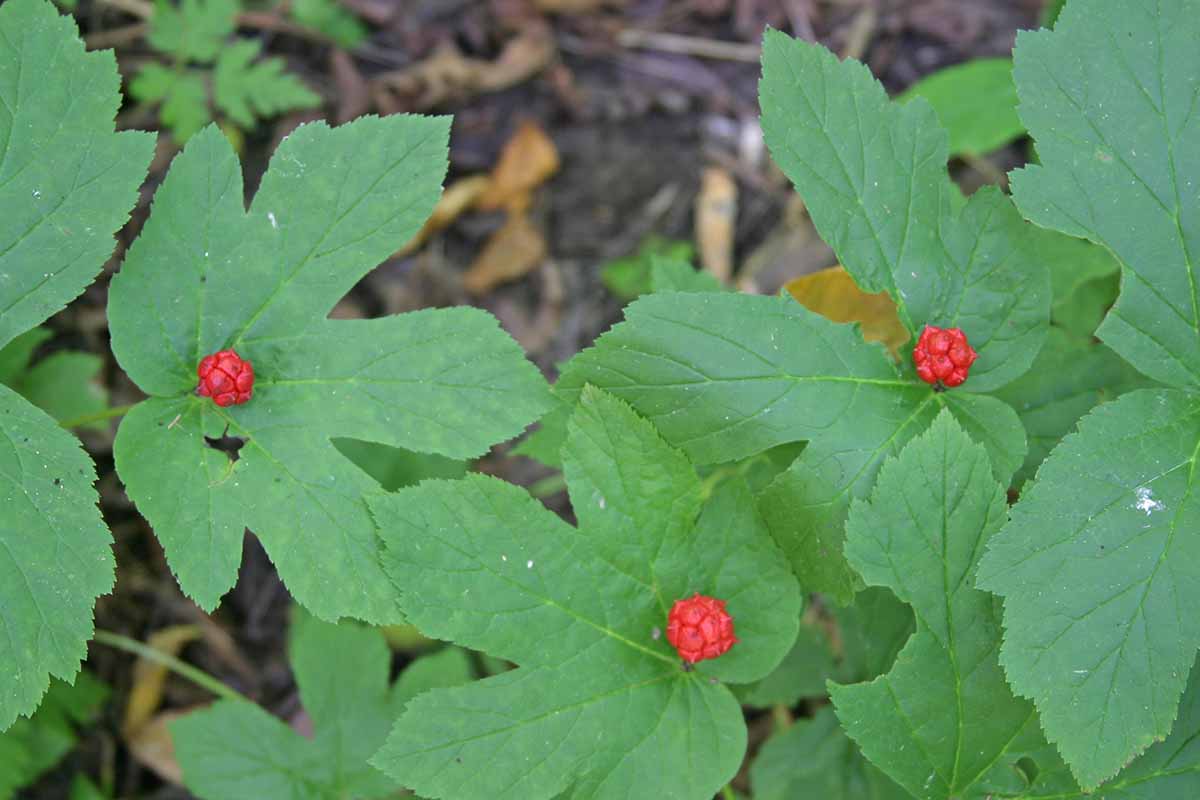
Hardy in Zones 3 to eight, this species is native to North America, notably within the central and jap hardwood forests of the US and southern Canada. It thrives underneath the cover of timber, in soil that's moist however well-drained and wealthy in humus.
This medicinal species’ wild inhabitants is in danger, making cultivation a vital a part of plant conservation.
The 2 main causes for this plant’s vulnerability are habitat loss and wild harvesting for the business herb market. The plant’s conservation standing varies relying on location.
As of 2020, it's listed by the USDA as endangered in Connecticut, Georgia, Maine, Massachusetts, Minnesota, New Jersey, and North Carolina, and as a species of “special concern” in Tennessee. As well as, it’s listed as “threatened” in Maryland, Michigan, and New York, and in Pennsylvania as “vulnerable.”
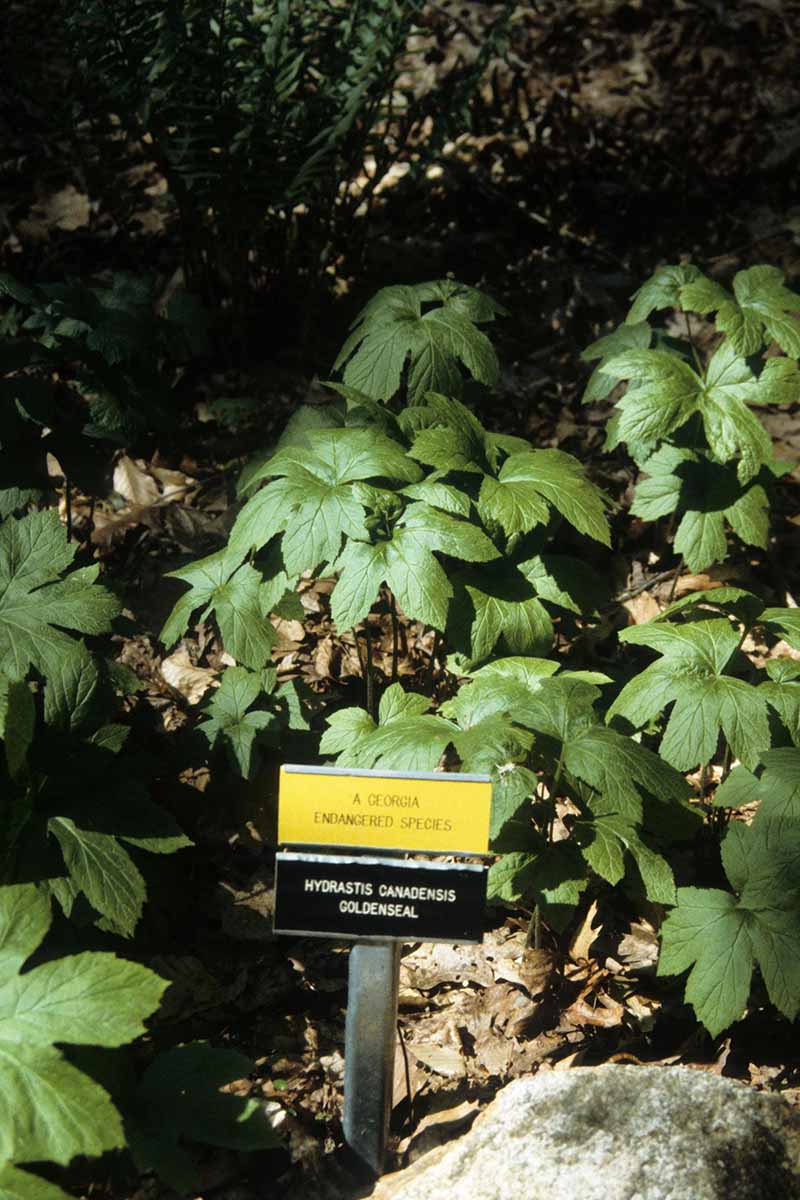
In response to the severity of goldenseal’s standing, United Plant Savers launched a program in the fall of 2019 called “Hope for Hydrastis,” a five-year project to advertise the propagation of H. canadensis.
Because the propagation program expands, they are going to share rising ideas for growers and farmers to study from their expertise.
In keeping with “The Forest Farmers Handbook: A Beginners Guide to Growing and Marketing At-Risk Forest Herbs” by United Plant Savers and Rural Action, their development can create giant dense populations with as much as 100 stems recorded rising in a three-by-three-foot plot.
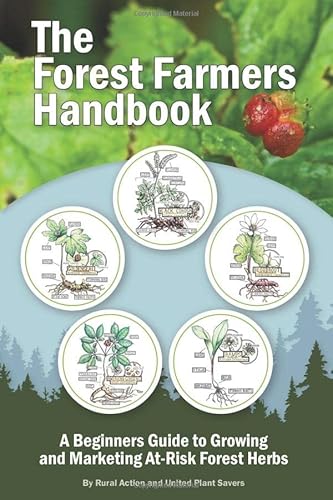
If you're fascinated by proudly owning a paperback copy, this e-book can also be available for purchase on Amazon.
This perennial spreads by way of underground roots, and mature crops can attain six to 14 inches tall.
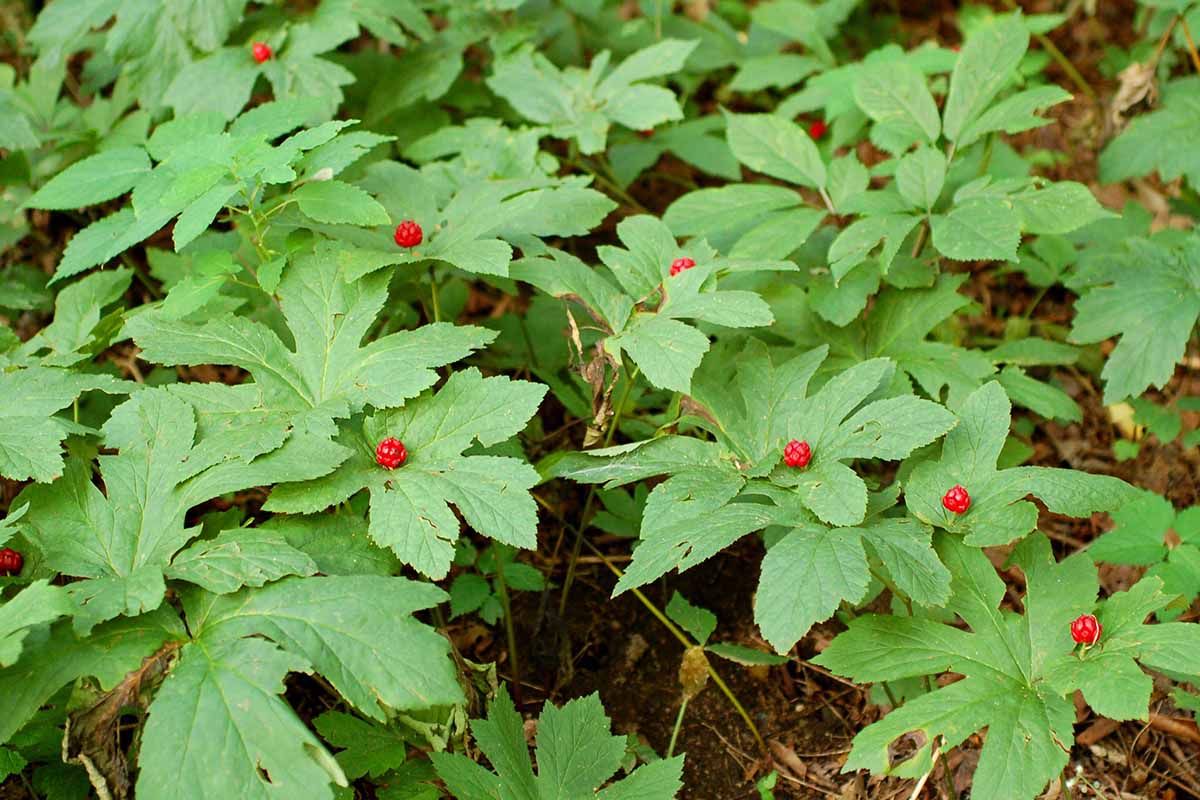
They've wealthy inexperienced palmate-shaped foliage and bloom from April to Could, displaying small white flowers which produce a single fruit in summer time that appears like a raspberry. Word that these fruits will not be edible.
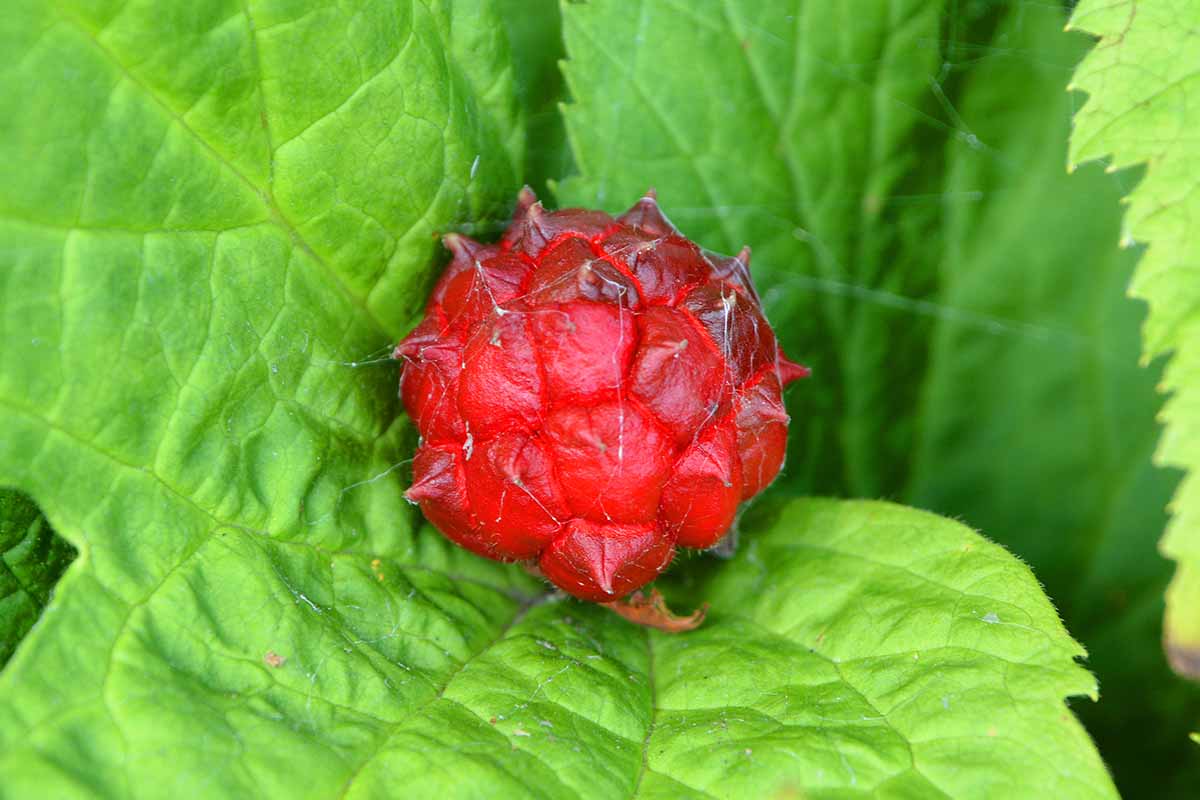
When fall arrives, the leaves and stems will die again, revealing scars resembling wax seals which can be stated to have impressed the plant’s widespread title, together with the golden coloration of its fibrous roots.
The principle bioactive compounds of goldenseal are berberine and hydrastine.
Species containing berberine are used historically to assist deal with digestive and mucous membrane points in addition to issues affecting the pores and skin, throat, nostril, ears, and eyes. Barberry, Berberis vulgaris, additionally comprises excessive ranges of berberine.
The opposite main alkaloid present in goldenseal, hydrastine, amongst a listing of different bioactive compounds discovered within the plant, is famous for killing micro organism and combating off bacterial infections. It’s additionally thought-about a central nervous system depressant and might act as a sedative.
It’s vital to remember that this compound may be uterotonic, which means it could induce contractions, and can also be claimed to be an abortifacient.
Goldenseal can also be valued as an immune system enhancer and synergistic herb, and you will note it generally mixed with echinacea, which is alleged to help the effectiveness of those actions.
The American Botanical Council’s 2020 market report of top-selling natural dietary supplements lists the goldenseal-echinacea mixture at quantity 12, with a complete gross sales determine of over seven million dollars for the yr.
Earlier than business curiosity within the therapeutic properties of goldenseal arose, the roots have been utilized by Indigenous individuals to assist deal with numerous illnesses.
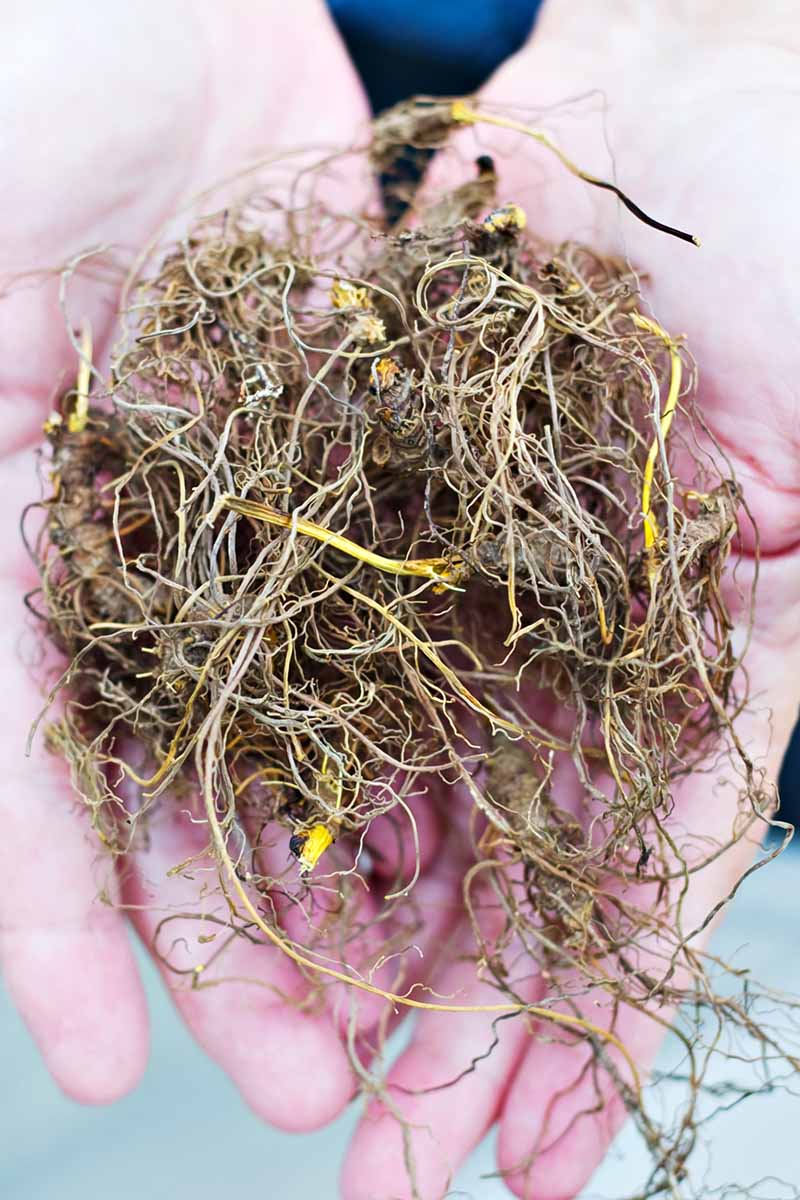
The Iroquois use the plant to treatment digestive complaints and to assist combat infections.
The roots are thought-about a well being tonic by the Cherokee. Elements of the plant are additionally a standard ally for Indigenous individuals in treating snakebites, and it could be used to make a yellow dye.
The wealthy historical past and present at-risk standing of this native woodland perennial makes it a superb candidate to domesticate in a medicinal backyard or as a decorative floor cowl.
Propagation
We'll cowl the 2 methods to propagate goldenseal, from seed and by taking rhizome cuttings.
Keep in mind that rising goldenseal from seed would require extra time and a spotlight than beginning new crops from rootlets.
Nevertheless, this could not deter you from seed cultivation. Utilizing both of those strategies is a regenerative method to cultivating this perennial.
If you're buying seed or rhizome cuttings, it is very important verify your sources to stop overharvesting within the wild. Ensure you solely harvest rhizomes from cultivated crops.
From Seed
The seeds may be collected from present crops after the berries ripen in late summer time. You'll be able to both sow them instantly after you gather them, or stratify and retailer them in a fridge for as much as three months and sow them within the spring.
Sow seeds half- to three-quarters-of-an-inch deep and one to 2 inches aside in a shady ready mattress and canopy with soil.
High with one to 2 inches of leaf litter. Water as wanted to take care of even moisture within the mattress whereas ensuring to not oversaturate the soil. The leaf litter may even assist to retain some moisture.
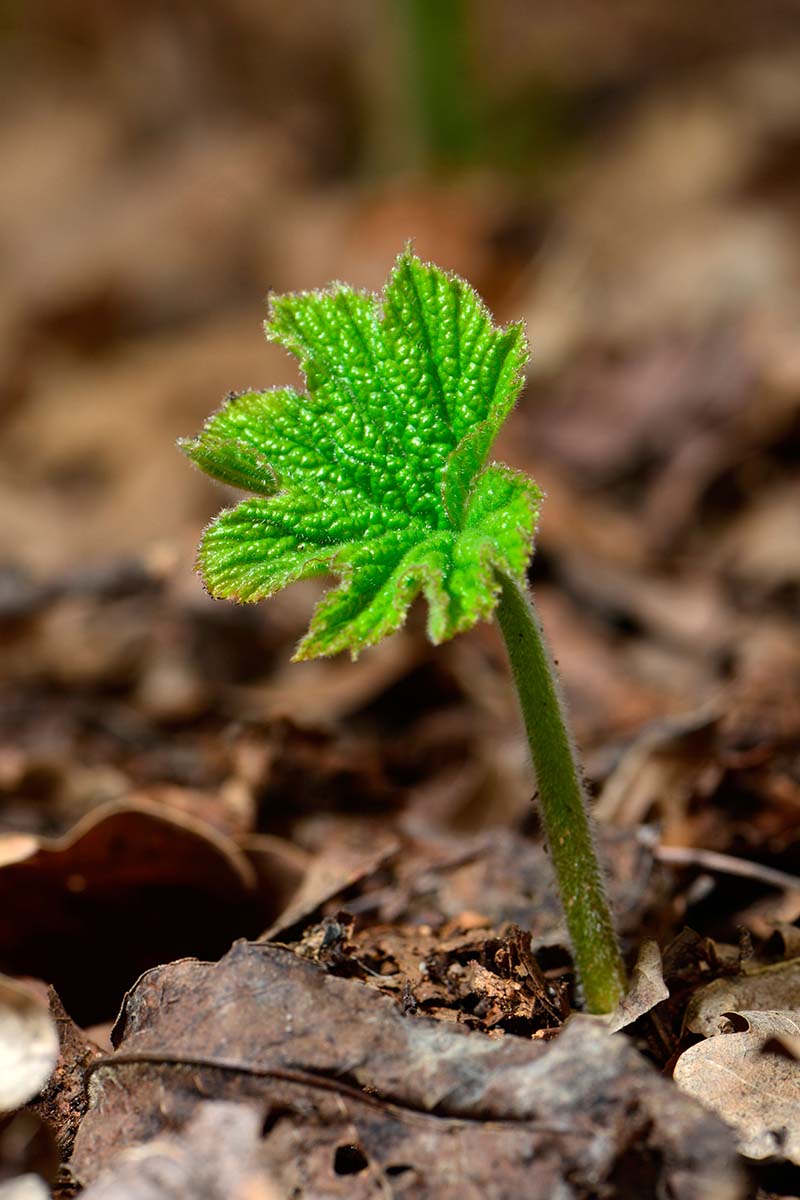
This perennial is a sluggish grower and might generally take as much as two seasons to supply any seen indicators of vegetation. True leaves will emerge in a single to 2 years.
Rhizome Division
Probably the most dependable methodology to propagate goldenseal is thru rhizome cuttings.
As soon as a plant is mature, often in its third to fifth yr of development, the rhizomes may be dug up and divided for propagation. Planting goldenseal rootlets is really helpful within the fall or early spring since they require a interval of chilly dormancy.
You'll be able to collect rhizomes when the plant begins to go dormant throughout the chilly season.
If wanted, push mulch to the facet to find the plant, then gently dig with a fork a few foot across the crown and collect some fibrous roots whereas leaving sufficient behind to reestablish.
Should you occur to uproot greater than deliberate, you may simply plant them again, and they're going to recuperate and develop once more.
Leaving the fibrous roots connected, divide and minimize rhizomes into half- to one-inch items. Each bit ought to have at the least one bud.
With the bud pointing upward, plant every rhizome in a ready mattress about one to 2 inches deep, spaced one foot aside.
Preserve a one- to two-inch layer of mulch on prime till the crops sprout. Water the mattress as wanted to take care of even moisture with out waterlogging the rising area. Producing mature roots from cuttings can take three to 5 years.
From Seedlings/Transplanting
As soon as seedlings have grown at the least one set of true leaves, they're able to be transplanted. It’s finest to plant them out in spring.
Choose an space with dappled shade that has deep, loamy, barely acidic soil. If wanted, until the soil to loosen it, break up clumps, and take away rocks previous to planting. If rising a couple of plant, area them one foot aside.
Methods to Develop
Goldenseal is often cultivated in woodland beds underneath tree canopies or in shade homes because it requires a shady atmosphere to develop.
Should you don’t have a wooded space in your yard, you may contemplate developing a shade home or different sort of construction – comparable to a vine-covered arbor – to efficiently domesticate this plant.
If you're uncertain if the soil you intend to plant in comprises the natural matter that's important for this perennial to thrive, you may amend it with compost.
Sustaining a soil pH of 5.5 to six.0 will produce the next root yield.
Crops require the proper pH ranges to soak up vitamins and you may take the guesswork out of figuring out the pH of your rising area by having a straightforward pH soil tester available.
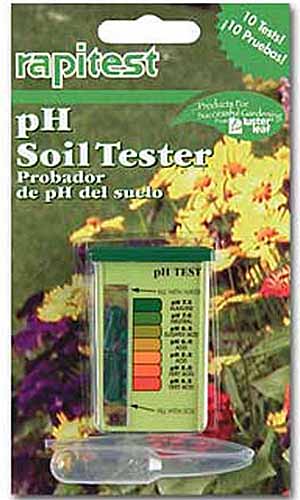
Gardener’s Supply carries one which comprises 10 take a look at capsules and features a pH choice record for over 450 crops.
As a result of goldenseal prefers moist soil and no weed competitors, the rising space must be mulched and weeded as wanted, and should require replenishment after a number of years. The perfect mulch to use is one comprised of leaves and hardwood bark chips.
When grown within the circumstances that goldenseal prefers, little to no irrigation is required as soon as crops are established.
Nevertheless, drought circumstances might necessitate supplemental watering if you happen to don’t need the crops to go dormant before regular.
Rising Suggestions
- Domesticate in soil with a pH of 5.5 to six.0.
- Develop in full to half shade.
- Preserve a layer of mulch.
The place to Purchase
As talked about, due to its at-risk standing, goldenseal ought to by no means be dug up or harvested from the wild.
You'll be able to verify your native native plant gross sales, specialty seed purveyors, or contact a local plant society – the American Horticultural Society has a list, organized by state.
If you're buying on-line, make sure that to confirm the supply of any crops or cuttings.
Managing Pests and Illness
When rising this woodland perennial in forest circumstances, you'll expertise only a few, if any, points.
Nevertheless, if you're cultivating it in an area that requires extra intervention to imitate the atmosphere the place this species thrives, you is likely to be met with a number of pests which can be easy to handle.
Herbivores
Excellent news! There’s only one herbivore to look out for that has the potential to be a pest throughout sure years and seasons.
Voles
Voles (Microtus arvalis) are omnivores and can primarily eat stems and grass. It’s useful to know that their populations improve in cycles about each three to 5 years.
They're most energetic in early spring, and more often than not, wholesome crops can bounce again from the harm they trigger.
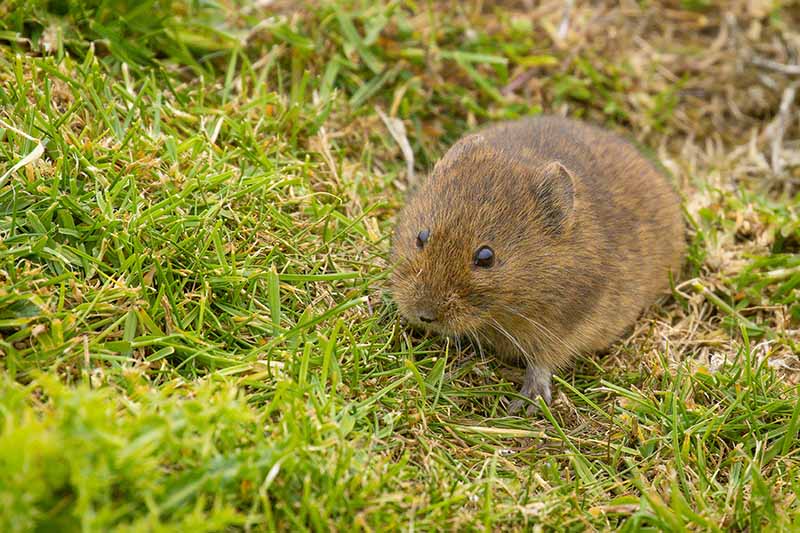
Should you observed any of your root crops or flower bulbs being nibbled on and disturbed, that is likely to be an indication of vole exercise.
Their entrance enamel will go away quarter-inch grooves organized facet by facet in wooden, as they take pleasure in chewing on bark close to the bottom of timber and shrubs.
The perfect and most moral technique to management voles is by rising crops that is likely to be inclined to wreck away from lawns, since they take pleasure in consuming blades of grass.
Additionally, since they don't seem to be good climbers, it’s simple to guard your goldenseal crops by fencing them with a half-inch mesh that's buried six to 10 inches deep and extends at the least 12 inches above the bottom.
Pests
Most gardeners are aware of one of many widespread pests talked about beneath: slugs.
However root-knot nematodes is likely to be an unfamiliar foe that has the potential to negatively have an effect on your root harvest if an infestation is just not addressed.
Slugs
Technically talking, slugs are extra carefully associated to octopi than bugs, and belong to the Gastropoda class within the phylum Mollusca.
If populations will not be managed, slugs can eat your complete crown of crops. In the event that they turn out to be a nuisance and pure strategies like beer traps don’t work, you may pull mulch away from across the crops, so slugs have a tougher time reaching the foliage.
Be taught extra in regards to the finest pure strategies to guard your backyard from slugs in our information.
Root-Knot Nematodes
Root-knot nematodes (Meloidogyne spp.) have the potential to wreck goldenseal roots.
These microscopic roundworms pierce roots and lay eggs inside, giving the roots a “knotty” look. This may wilt or stunt crops and should go away them susceptible to Fusarium wilt infections.
Be taught extra about root-knot nematodes and the right way to management them in your backyard in our information.
Illness
As this perennial turns into extra in style in cultivation outdoors its woodland habitat, so do the widespread illnesses which will have an effect on its development.
Botrytis Leaf Blight
In keeping with Mary Predny and James Chamberlain, authors of Goldenseal: An Annotated Bibliography, published by the USDA Forest Service, Botrytis leaf blight was the first illness reported by business growers within the early Nineties, and in reality courting way back to 1918!
It sometimes seems late within the season.
Botrytis squamosa fungi damages leaves by inflicting recognizing that's white and sunken. The spores are unfold by means of the air, and when moisture is current on foliage, these will germinate and harm leaf tissue.
Insufficient air circulation and moisture on leaves can promote the expansion of this illness.
Really helpful management consists of eradicating the affected foliage. In closely contaminated areas, take away and exchange mulch as soon as crops have gone dormant.
Fusarium Wilt
Fusarium wilt is attributable to the fungus Fusarium oxysporum f. sp. lycopersici. The pathogen can enter by means of root harm attributable to nematode feeding.
It will probably additionally unfold by means of soil that's already contaminated since it may possibly survive for a few years within the floor and in pure particles.
Your entire plant will wilt and switch yellow, with leaves finally turning brown and falling off.
Take away and get rid of contaminated specimens and remember that extra acidic soils could make the difficulty extra extreme. Controlling nematode populations can even assist forestall this illness.
Harvesting and Preserving
As soon as your goldenseal crops have grown for 3 years, and after the fruit has matured, you may harvest roots by rigorously digging them up with a fork throughout the fall. Some individuals may even harvest leaves on the identical time.
To make sure a wholesome stand, go away some mature crops behind. Solely collect what you want whereas leaving extra roots than what you've gotten harvested to proceed rising, to make sure an plentiful stand for years to come back.
Ensure you solely harvest from your individual cultivated crops and chorus from wildcrafting as this follow has severely lowered wild populations of goldenseal.
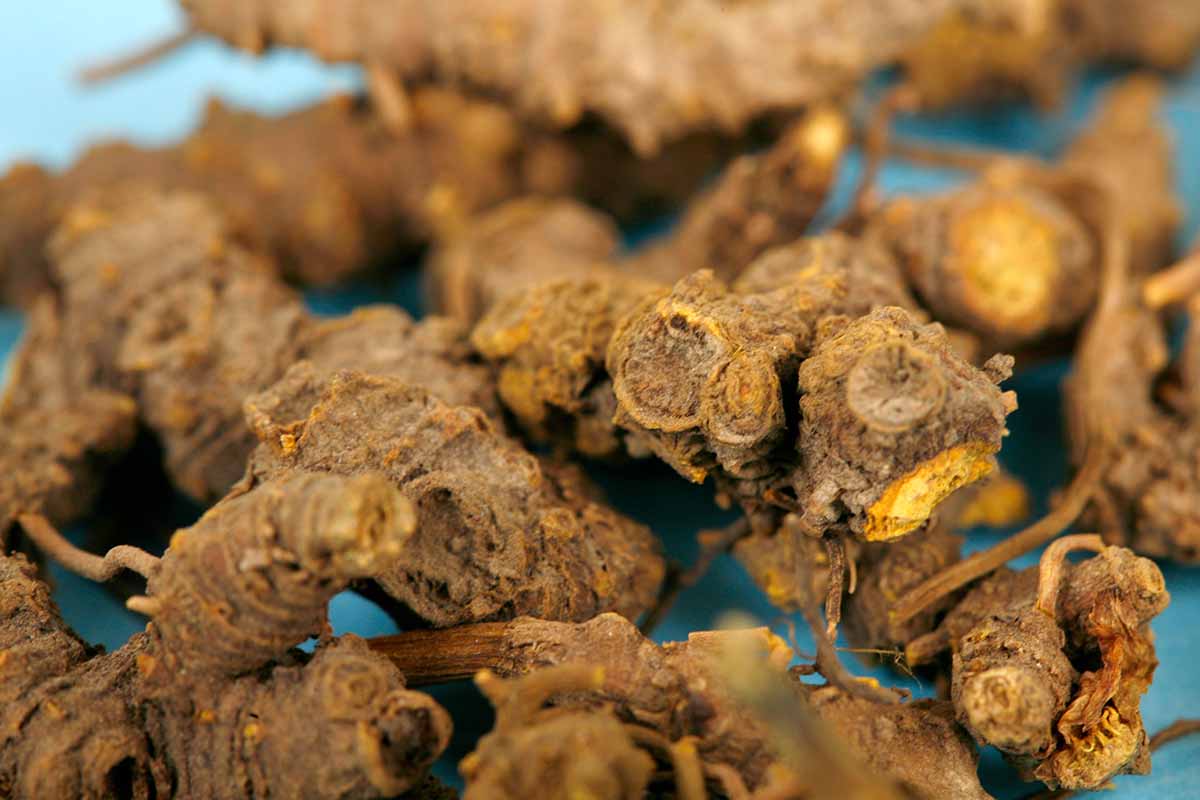
Gently spray soil off the roots with a hose and guarantee root mats are separated by teasing them aside along with your fingers so you may take away any soil that’s caught within the tiny root hairs.
Dry the washed roots on racks with good airflow. Roots will dry in about three to 4 days in a dehydrator or very low on an oven set at 100 to 110°F.
The leaves may be dried like different herbs which can be used for his or her aerial components, on racks or in a dehydrator.
Fast Reference Rising Information
| Plant Sort: | Herbaceous perennial | Upkeep | Low |
| Native to: | North America | Tolerance: | Deer, drought, freezing temperatures, juglone |
| Hardiness (USDA Zone): | 3-8 | Soil Sort: | Wealthy, loamy |
| Bloom Time/Season: | Spring-fall | Soil pH: | 5.5-6.5 |
| Publicity: | Shade | Soil Drainage: | Properly-draining |
| Spacing: | 1 foot | Attracts: | Bees |
| Planting Depth: | 1/2-3/4 inch (seeds), 1-2 inches (root divisions), depth of root system (transplants) | Companion Planting: | Black walnut, black cohosh, bloodroot, ginseng, mayapple, oak, slippery elm, sugar maple, trillium, tulip poplar, white ash |
| Peak: | 6-14 inches | Keep away from Planting With: | Shallow-rooted timber |
| Unfold: | 12 inches | Order: | Ranunculales |
| Time to Maturity: | 3 years | Household: | Ranunculaceae |
| Water Wants: | Low | Genus: | Hydrastis |
| Widespread Pests and Ailments: | Herbivores, root-knot nematodes, slugs; Botrytis leaf blight, Fusarium wilt | Species: | Canadensis |
Develop Goldenseal for Good
When given the chance to develop a plant in peril, we act as greater than gardeners; we're conservationists, which is crucial for the earth’s future.
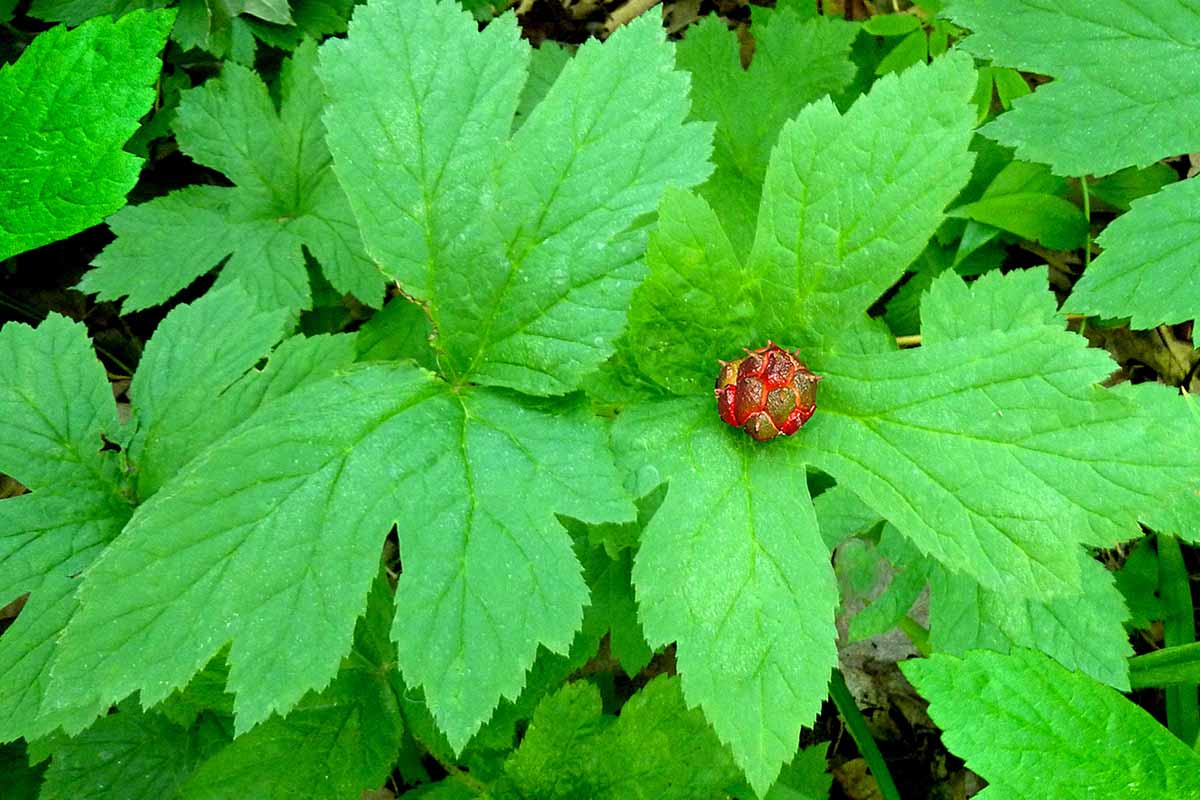
I hope this information has offered you with the required information wanted to domesticate the rising area that a woodland perennial as extraordinary as goldenseal requires.
Are you rising goldenseal? Tell us within the feedback part beneath!
Should you discovered this subject intriguing and useful, you’ll additionally take pleasure in the next guides to medicinal crops and herbs subsequent:
You can view the original post here Show Original: https://librareview.com/methods-to-plant-and-develop-goldenseal/


Comments
Post a Comment