7 Doable causes and Options
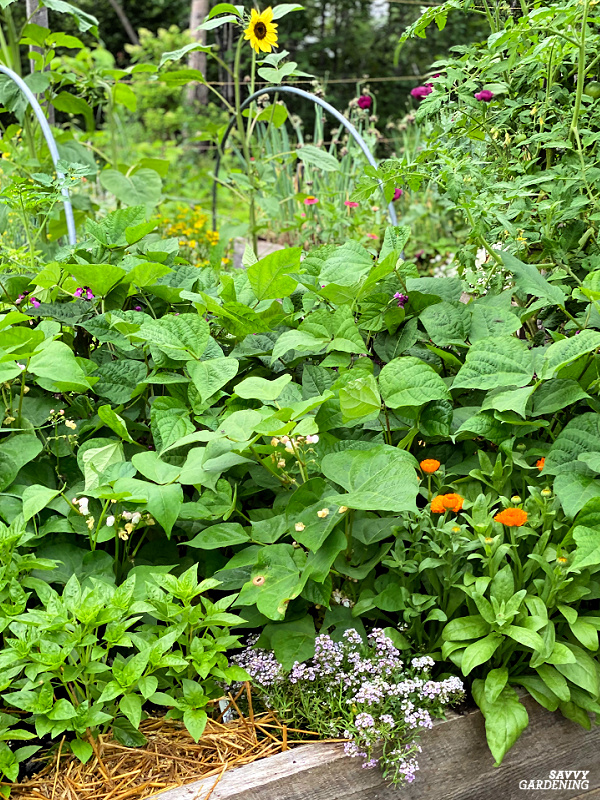
You can view the original post here
Snap beans are one of many joys of the summer season vegetable backyard and one of many best crops to develop. They thrive in backyard beds and containers reliably producing a heavy crop of tender pods. That stated, it’s not unusual to see inexperienced bean leaves turning yellow. There are numerous potential causes for yellowing leaves together with drought, infertile soil, insufficient mild, and plant illnesses like blight. Under you’ll study 7 causes for inexperienced bean leaves turning yellow and what you are able to do to advertise wholesome progress out of your bush and pole bean vegetation.

What are inexperienced beans?
Snap beans, also referred to as inexperienced beans or string beans, are a heat season vegetable and planted in late spring as soon as the chance of frost has handed. There are two fundamental sorts of beans, bush and pole. Bush beans type compact vegetation and pole beans vining vegetation that may develop 8 to 10 ft lengthy and must be supported on a 
trellis or different construction. Snap beans don’t simply produce inexperienced pods. There are varieties that yield yellow, purple, crimson, and even bi-colored pods, making it simple to develop a rainbow of beans in your vegetable backyard.
Causes for inexperienced bean leaves turning yellow
Beans are one of many best greens to develop, but it surely’s not unusual to see leaves on bean vegetation turning yellow. It might be a pure development of the rising season or it might point out an issue with the soil or vegetation. Listed below are 8 potential causes of yellow leaves on bush and pole beans.
1) Lack of daylight could cause yellow leaves
Yellowing leaves on bean vegetation could be the results of inadequate mild. Beans develop finest when planted in a web site that receives 8 to 10 hours of direct mild every day. They will take 4 to six hours of sunshine, however gained’t produce in addition to they'd in full solar. Yellowing leaves attributable to a scarcity of sunshine is most typical on foliage on the backside of the vegetation. These leaves are older and sometimes extra shaded than the brand new progress on the tops of the vegetation. There’s not a lot you are able to do in mid-summer if bean leaves are yellowing attributable to shading, however I'd counsel on the lookout for a sunnier spot to develop beans in subsequent years.

2) Extra water can lead to yellowing bean leaves
An excessive amount of water in a vegetable backyard could be as unhealthy – if not worse – than too little water. Extreme moisture from frequent rains or overwatering could cause root rot. The primary indication of root rot is usually yellowing leaves. Should you spot yellowing leaves in your bean vegetation think about whether or not the climate has been moist or in the event you’ve been watering an excessive amount of. There’s not a lot you possibly can concerning the climate, but when overwatering is the problem, in the reduction of on how usually you water. It’s finest to base watering on want, not on a schedule. To gauge soil moisture, stick a finger into the soil on the base of the vegetation. If it’s dry 2 inches down, seize your hose. To assist overwatered soil dry out, pull again any mulch you’ve positioned across the vegetation.
3) Water stress could cause bean leaves to show yellow
Bean vegetation have comparatively shallow roots and wish a gradual provide of moisture to develop and crop nicely. A scarcity of water means vitamins can’t transfer by the soil and into your vegetation, triggering yellowing leaves. It’s important to deep water in dry climate. I additionally apply a 2 to three inch layer of straw mulch between rows of bush beans and on the base of pole beans to carry soil moisture and cut back how usually I must irrigate. Including natural matter like compost or aged manure to the mattress earlier than planting also can enhance the water holding capability of the soil. Take into account that soil sort performs an element in how shortly it dries out. Clay-based soils maintain water higher than sandy soils and due to this fact gained’t must be watered as usually.
It’s additionally vital to know that bean vegetation have the next moisture requirement once they’re flowering and setting pods. Once I spot the primary flowers, I pay additional consideration to soil moisture and deep water when it’s dry 2 inches deep. I like to make use of a long-handled watering wand to direct water to the bottom of the vegetation.

4) Crowding bean vegetation can lead to yellow leaves
Bush and pole bean vegetation must be spaced on the proper distance so as to entry most mild, water, and vitamins. Should you overcrowd vegetation they’ll be in competitors and that may produced stunted vegetation or yellowing leaves. Stop this drawback by spacing the seeds the right distance aside or thinning seedlings as soon as they’re rising nicely. Plant bush beans 2 inches aside with rows spaced 18 to 30 inches aside. House pole bean seeds 3 inches aside on the base of a trellis.
5) Low soil fertility and nutrient deficiencies could cause bean leaves to show yellow
When grown in soils with low fertility, bean vegetation can battle with the leaves turning yellow to point nutrient deficiency. It’s a good suggestion to do a soil test each couple of years to get a higher understanding of your soil and what it might lack. To construct wholesome soil in my backyard, I add compost or aged manure to my backyard beds every spring. Beans are categorized as ‘light feeders’, however including a slow release organic vegetable fertilizer at planting time helps present vitamins like nitrogen, phosphorous, and potassium to the vegetation.
Each vegetable has a perfect pH vary and beans desire a soil pH between 6.0 to 7.0. As a result of my native soil tends to be acidic, I lime my backyard beds yearly to boost the pH. In case your soil pH is larger than 7.0 apply a soil acidifier to scale back alkalinity.
Many gardeners additionally use a legume inoculant when planting bean and pea seeds. Inoculants comprise rhizobia bacterium which type a symbiotic relationship between the bean plant and the micro organism. When planting beans in soils the place legumes have already grown, there are probably rhizobia strains of micro organism current within the soil. Including inoculant is a simple approach to verify your soil accommodates a excessive inhabitants of those useful micro organism.

6) Plant illnesses can flip bean leaves yellow
Plant illnesses are one of many main causes of inexperienced bean leaves turning yellow. There are numerous illness organisms together with bacterial, fungal, and viral which will have an effect on bean vegetation. One of the best ways to stop plant illness is to follow crop rotation, good backyard sanitation, and house vegetation correctly to permit for good air circulation. Listed below are 4 widespread illnesses of beans:
Bacterial bean illnesses
Bacterial blight, in addition to halo blight, are bacterial infections that end in brown greasy trying spots on the leaves surrounded by a vivid yellow halo. It’s unpleasant but additionally impacts yield as a result of the pods develop brown lesions. In critical infestations new progress can flip yellow and die. These illnesses are usually launched by contaminated seed and when the climate is favorable, take maintain within the backyard. Ultimate situations for bacterial blights are heat temperatures and excessive humidity. By no means save seed from affected vegetation and take away contaminated leaves and plant particles on the finish of the season.
White mould in beans
White mould is a fungal illness that spreads shortly in cool, moist climate. It infects many species of crops together with tomatoes and cucumbers, and impacts leaves, stems, and fruits. The primary indicators of white mould fungus are pale coloured lesions. Quickly cottony fungal strands are produced and the vegetation flip yellow and wilt. Cut back the prevalence by practising crop rotation, spacing vegetation on the correct distance, and watering early within the morning. All sorts of beans could be affected by white mould, however analysis has proven that runner beans are essentially the most resistant.

Bean mosaic virus
There are a number of sorts of bean mosaic viruses together with bean yellow mosaic virus and bean widespread mosaic virus. These viral infections are unfold within the backyard by aphids. The illness exhibits up as yellowing or mottling of the bean leaves. They will additionally pucker or turn into cupped in look. With bean widespread mosaic virus, an affected plant wilts and dies because the illnesses progresses. With bean yellow mosaic virus the vegetation proceed to develop and produce pods, however total yield is affected. Plant resistant varieties, like Provider or Improved Tendergreen if this illness is widespread in your space. It’s additionally a good suggestion to cowl vegetation with insect netting or row covers early within the season to stop aphids from spreading the an infection.
Bean rust
Bean rust is one other fungal illness and is most typical when the climate is heat and humid. Small reddish-brown spots surrounded by a yellow halo seem on the leaves. Critical infections could cause the leaves to show yellow after which brown and finally they fall off. Rust that develops late in summer season gained’t have an effect on yield. Prevention begins by not overcrowding vegetation. Skinny seedlings spaced too shut collectively. Should you spot leaves with speckling, choose them off to gradual the progress of the illness.

7) Pests could cause bean leaves to yellow
Lastly, insect pests like thrips or Mexican bean beetles could cause a yellowish look to the leaves of bean vegetation. Two-spotted spider mites suck sap from the undersides of leaves which ends up in a mottling or yellowing to the tops of the foliage. Mexican bean beetles skeletonize the leaves of bean vegetation which may trigger them to look yellow from a distance. Shut up you’ll see the lacy sample of the injury. I examine my bean vegetation usually for indicators of pests, injury, or webbing, within the case of spider mites. You should utilize a jet of water from a bunch to knock spider mites off vegetation or spray an insecticidal cleaning soap. For Mexican bean beetles, handpick adults and larvae or use an insecticidal soap.

8 methods to stop inexperienced bean leaves turning yellow
An oz. of prevention is value a pound of treatment and now that we all know extra concerning the explanation why bean leaves flip yellow, it’s time to take a look at methods to stop bean issues. Under are 8 habits to encourage wholesome plant progress and a bumper crop of beans.
- Observe crop rotation – This can be a sensible backyard behavior that may cut back many potential issues. I keep a 3 yr crop rotation which suggests I don’t plant the identical crop household in a backyard mattress for 3 years. There are numerous methods to strategy crop rotation, however I wish to group my greens by household.
- Utilizing legume inoculant – Coating bean seeds with rhizobia earlier than planting has been proven to advertise plant progress and increase yield.
- Sustaining a wholesome soil – Feeding soil yearly with natural amendments like compost and supplementing with natural fertilizers when wanted provides you a head begin on plant well being.
- Plant in full solar – Beans are a heat-loving vegetable and thrive when grown in beds or pots that obtain 8 to 10 hours of direct solar.
- Water sensible – Make it a aim to offer constant moisture to bean vegetation, significantly once they begin to flower and type pods. Keep away from wetting the foliage when watering and attempt to water within the morning, not night. Moist foliage can immediate the unfold of illness.
- Clear up – In case your bean vegetation are diseased be certain to take away plant particles and don’t compost it. You need to try to break the cycle of illness.
- Keep away from working round bean vegetation in moist climate – As famous above, moist foliage can unfold illness so keep out of the bean patch when the climate is wet or the vegetation are coated in dew.
- Take away weeds – Dense weed progress can crowd out bean vegetation and cut back air move. A scarcity of air circulation can encourage plant illnesses like white mould.
For extra info on different vegetable backyard issues, make sure to take a look at these articles:
Have you ever had points together with your inexperienced bean leaves turning yellow?

You can view the original post here Show Original: https://librareview.com/7-doable-causes-and-options/


Comments
Post a Comment